

Finding a breast lump while breastfeeding can be scary. But you’re not alone, and in most cases, it isn’t a sign of something serious. In fact, most breast lumps during lactation are related to milk flow or a lack of and are benign (non-cancerous).
Keeping this in mind, knowing the impact breast lumps can have, the importance of getting them checked, and the role breastfeeding plays is essential to your health, and potentially your breastfeeding experience. First, let’s explore why any breast lump should be taken seriously, regardless of whether you’re breastfeeding.
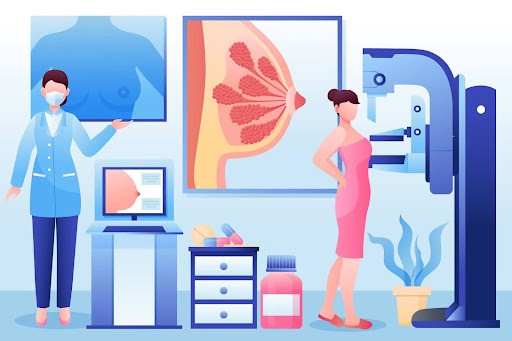
Why Having any Lump Checked Is Important
Even during lactation, not all breast lumps should be assumed to be lactation related. While most are benign, breast lumps can also occasionally be caused by non-lactational conditions such as fibroadenomas, cysts, or, more rarely, breast cancer. Early detection is key to preventing complications and getting the right support. Early detection leads to better outcomes, can lead to more effective and less aggressive treatments and increases survival rates.
Paying attention to how a lump changes over time, whether it grows, or if it begins causing new symptoms is essential. Getting lumps evaluated can offer peace of mind and also rule out other underlying conditions. Your body is always communicating, and changes in breast tissue during or after pregnancy are one of the most important things to notice and discuss with a care provider.
This is especially important in the postpartum period, when hormonal fluctuations and breast activity can mask more serious symptoms. Addressing concerns early supports not just your physical health, but your emotional well-being during a time that’s already full of adjustment.
What Causes Breast Lumps While Breastfeeding
Your breasts go through many changes during lactation. Lumps can show up for several reasons:
Engorgement
In the early postpartum days 3-5, when secretory activation occurs, your breasts may become overly full, as your breasts begin to fill with milk. This bilateral breast pain, termed engorgement, is described as feeling swollen, firm, lumpy, and tender. It usually eases as your baby feeds regularly and your milk supply adjusts. If there is a separation between mom and baby due to medical reasons, it is recommended mom use hand expression or a breast pump to establish milk supply early on. Following effective breastfeeding or pumping breast tissue feels an immediate “relief” and the fullness is drained when milk is removed by the best pump – the baby, or the runner up the pump.
Clogged (Blocked) Milk Ducts
A clogged duct happens when milk doesn’t drain well from part of the breast. This causes a painful, tender lump, often in one localized spot. Blocked ducts can happen when a baby isn’t latching on to their mom’s breast deeply, if there’s pressure from clothing, i.e. bras, or if milk isn’t being emptied effectively or typically enough. Home care, that includes ice packs, gentle breast massage, and breastfeeding in different positions, can help relieve lumps. The lump should soften after an effective breastfeed.

Mastitis
If a blocked duct isn’t relieved, it can progress to mastitis, which is inflammation of the breast. It may involve flu-like symptoms, including fatigue, fever, and a red, hot, swollen area over the blocked area. Early mastitis can be resolved with
anti-inflammatories, rest, and continued milk removal. If symptoms worsen, antibiotics may be needed.
Galactocele (Milk Cyst)
A galactocele is a milk-filled cyst caused by a blocked duct. It feels like a smooth, movable lump and usually isn’t painful. These often resolve on their own and are not dangerous.
Lactating Adenoma
A lactating adenoma is a benign breast tumour that appears during pregnancy or breastfeeding. It usually feels round, mobile, and painless, and often shrinks after weaning. These are generally not a cause for concern.
What’s Normal vs. What Needs Medical Attention
Normal Lump Patterns
- Lumps that shrink or disappear after feeding or pumping
- General fullness or tenderness that affects both breasts
- Lumps that move slightly and aren’t growing
These are frequently caused by milk flow changes and improve with frequent nursing.
When to Get Help
- Fever, chills, or body aches along with a breast lump
- A lump that doesn’t improve after 3–5 days of home care
- Breast redness, warmth, or red streaks
- Skin changes, such as dimpling or thickening
- A lump that is growing, very hard, or doesn’t move
If you experience any of the above, consult your healthcare provider. Many conditions can be assessed with a quick breast ultrasound, which is safe while breastfeeding.
How Support Can Help You Heal and Prevent Issues
Feeding Assessment
A professional can observe a feeding, check for latch or positioning problems, and help improve milk flow, preventing blockages before they start.
Managing Oversupply or Engorgement
Having too much milk can lead to repeated plugged ducts. With the right strategies, like adjusting feeding frequency or positions, you can reduce the risk of recurrent lumps.
Gentle Techniques for Relief
Modern guidelines recommend gentle massage, cold compresses, and anti-inflammatories (like ibuprofen), not aggressive emptying or constant pumping.
When It’s More Than a Lump
Persistent or unusual symptoms may need referral. Consultation with someone experienced to help you know the difference reduces stress and gets you the right care faster.
Exemplary clinical and leadership abilities demonstrated in the community, hospital and health care industry. Proficient and skilled at nursing education, community health, development of patient and staff education, and Cardiopulmonary Resuscitation (CPR) and Neonatal Resuscitation program (NRP). Masters of Nursing focused in Maternal/Child Health Nursing.